- Meyka AI's Newsletter
- Posts
- Strait of Hormuz Crisis Sparks Oil Rally, China Caution, Crypto Volatility, Inflation Pressure & Equity Sector Rotation
Strait of Hormuz Crisis Sparks Oil Rally, China Caution, Crypto Volatility, Inflation Pressure & Equity Sector Rotation
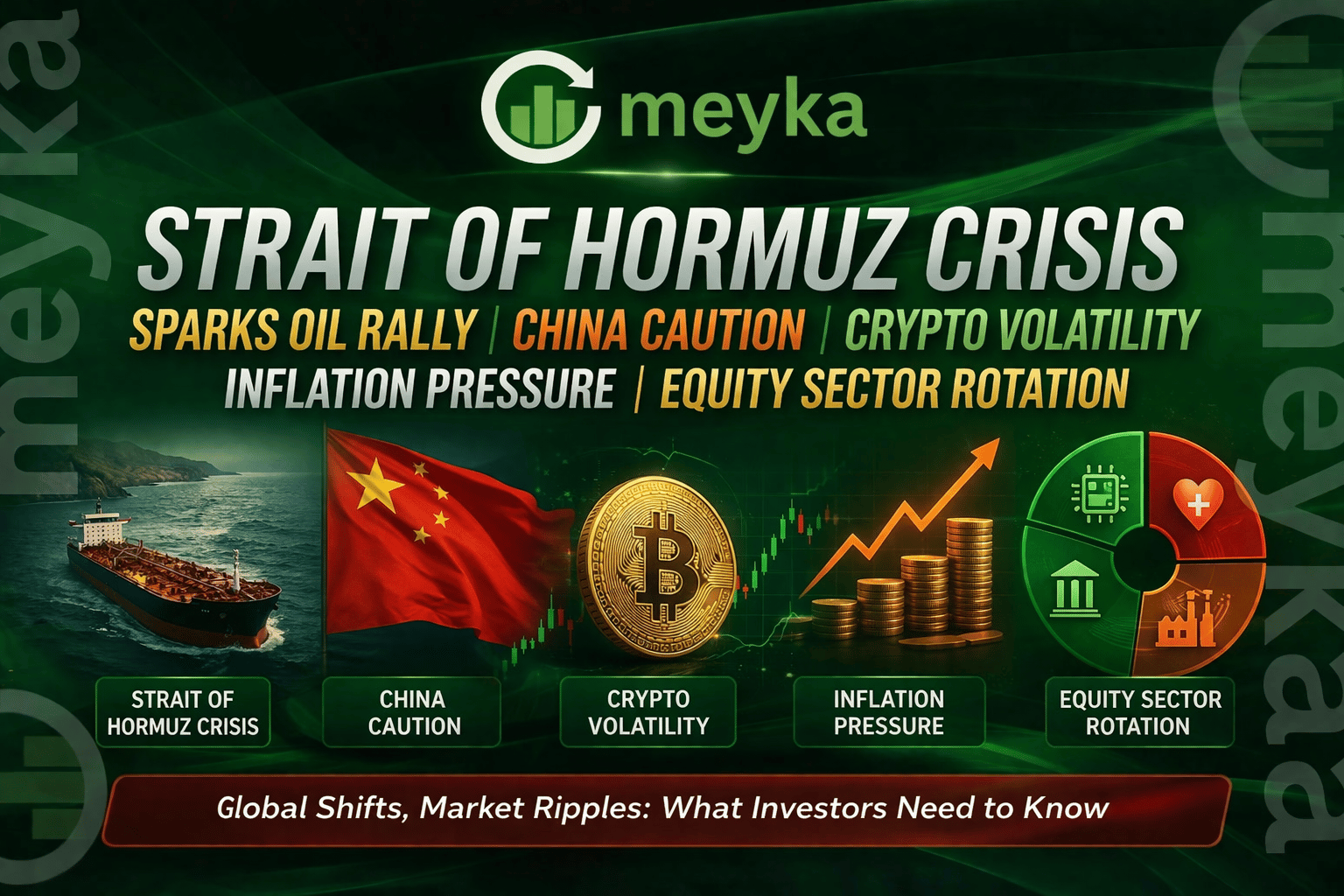
Markets rarely move on one story alone. This week is a reminder of that.
What looks like a single geopolitical event is, in reality, a chain of connected pressures. The question is not only what happened this week, but what the system is beginning to price in next.
Market Mood Snapshot
Geopolitical Shock Lifts Oil and Reprices Risk
The market mood this week was cautious, reactive, and highly sensitive to geopolitical signals.
Oil prices moved sharply higher as tensions around the Strait of Hormuz raised concerns about supply disruptions. Brent crude briefly moved above $90 per barrel in early April 2026, according to data from the U.S. Energy Information Administration. This shift quickly fed into inflation expectations across major economies.
Equity markets showed early signs of rotation. Energy stocks outperformed, while consumer and rate-sensitive sectors softened. Crypto markets remained volatile, with Bitcoin fluctuating as liquidity moved between risk assets. Investor sentiment reflected uncertainty rather than panic, with institutions adjusting positioning rather than exiting markets entirely.
See how each sector is moving ⬇️
2-Minute Weekly Brief:
Strait of Hormuz Tensions, Oil Surge, and Global Response
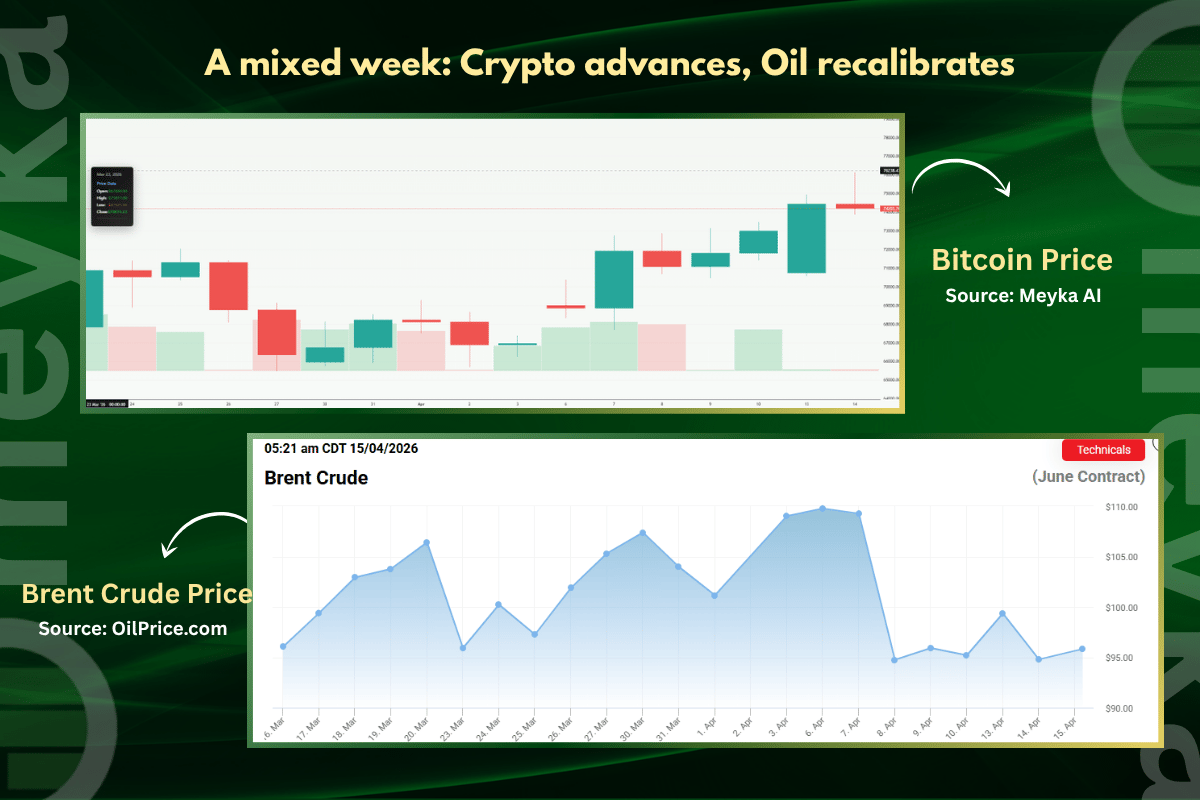
Oil prices surged as Strait of Hormuz risks intensified, with Brent crude rising over 8 percent week-on-week.
The Ministry of Petroleum of Iran stated that exports would continue despite geopolitical pressure, which signals supply resilience.
The U.S. Department of Defense confirmed increased naval monitoring in the region, but no full disruption occurred.
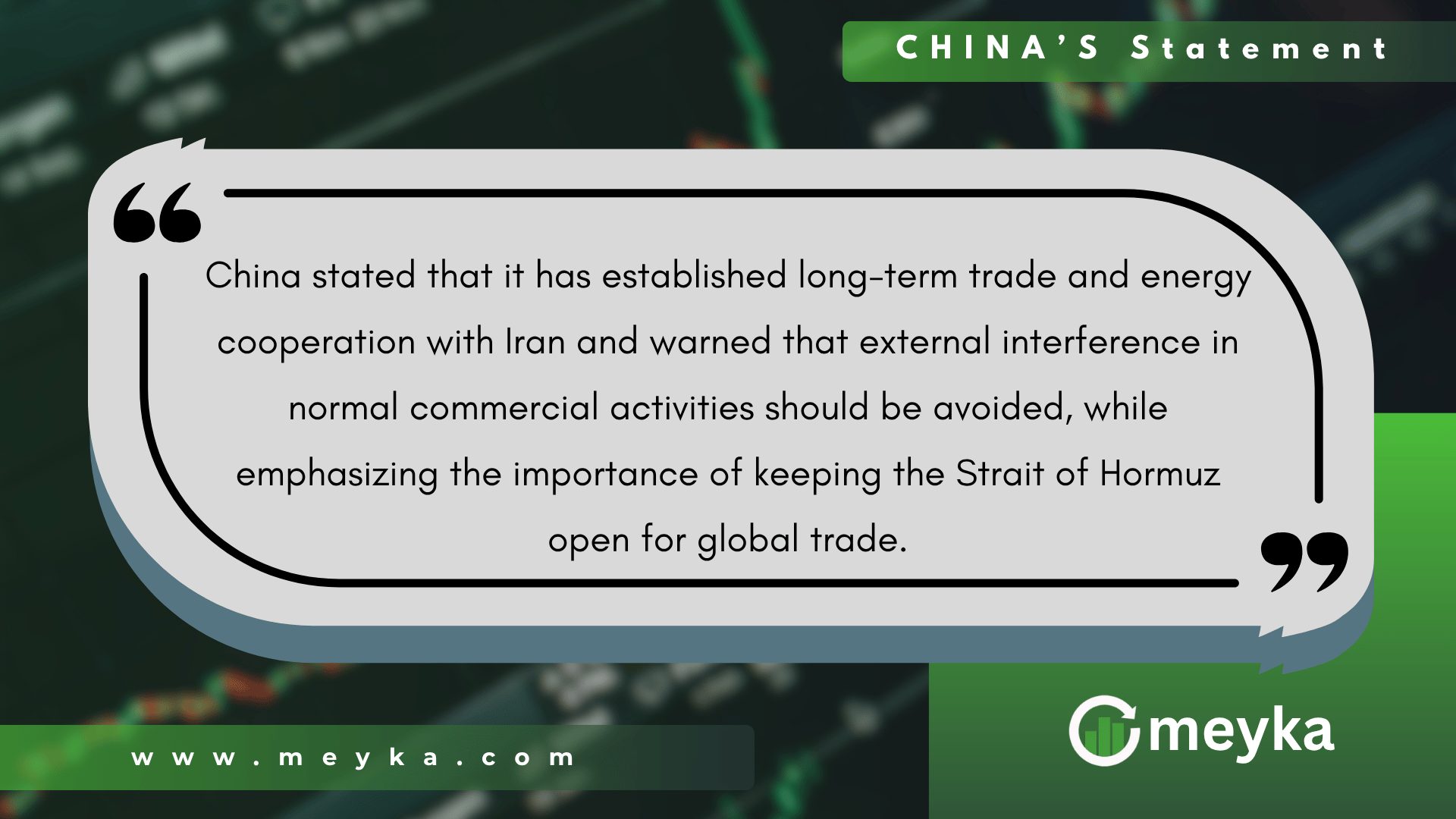
China’s Ministry of Commerce of the People's Republic of China urged stability in global energy markets, reflecting demand-side caution.
Inflation expectations rose in the United States and Europe, with 5-year breakeven rates ticking upward.
Crypto markets saw increased volatility, with Bitcoin moving within a wide range as investors reassessed risk exposure.
Money Minute 💡
One-Minute Finance Lesson
Oil price shocks often act like a hidden tax on the economy. When oil rises, transport and production costs increase, and prices slowly spread through goods and services. This is called cost-push inflation. It matters because it can delay interest rate cuts even when growth is slowing.
One takeaway: Oil does not just move energy markets; it quietly reshapes monetary policy.
Noise vs Signal: Headlines vs Reality
What is receiving excessive attention?
Short-term headlines have focused heavily on the idea of an immediate and total oil supply disruption. Media narratives have also amplified the notion of a direct geopolitical escalation between major powers.
What actually matters
The more important development is the steady increase in risk premiums tied to global shipping routes. Tanker insurance costs have begun to rise, and rerouting risks are now being priced into energy markets. According to the International Energy Agency, even a partial disruption in the Strait could affect nearly 20 percent of global oil flows.
China’s measured response also carries weight. Rather than escalating rhetoric, it emphasized contractual stability and long-term supply agreements. This suggests that large economies are preparing for prolonged uncertainty rather than a short-lived shock.
➤ Spot turning points early ⬇️
Trending Now on Meyka
Intermediary Trade Flows and Regional Pressure Points
Top stories our readers can’t stop exploring today
🔥 Google Gemini Personal Intelligence in India: Google expands Gemini AI features in India, enhancing personalized user experience
🔥 US Stock Update: US futures held gains on easing Iran-related geopolitical tensions, supporting risk sentiment.
🔥 Uber Robotaxis: Uber plans a $10 billion push into robotaxis, accelerating its autonomous mobility strategy.
What Most Missed:
Intermediary Trade Flows and Regional Pressure Points
A key detail that received limited attention is the role of intermediary trade flows. A significant portion of Iranian oil continues to reach global markets through re-export hubs such as the United Arab Emirates Ministry of Economy framework. These flows are often blended and re-documented before reaching final buyers, including China. This structure reduces the effectiveness of direct restrictions and keeps supply moving.
Another overlooked factor is regional pressure dynamics. Saudi Arabia has increased reliance on alternative routes such as the Red Sea corridor. According to the Saudi Ministry of Energy, pipeline and Red Sea shipments remain critical, but they carry geopolitical risks tied to the Bab-el-Mandeb strait. Any disruption there could tighten supply further and amplify price volatility.
One Chart, One Story:
Oil and Inflation Link
Consider the relationship between oil prices and inflation expectations over the past twelve months. Each upward move in oil has been followed by a rise in inflation forecasts, particularly in developed markets.
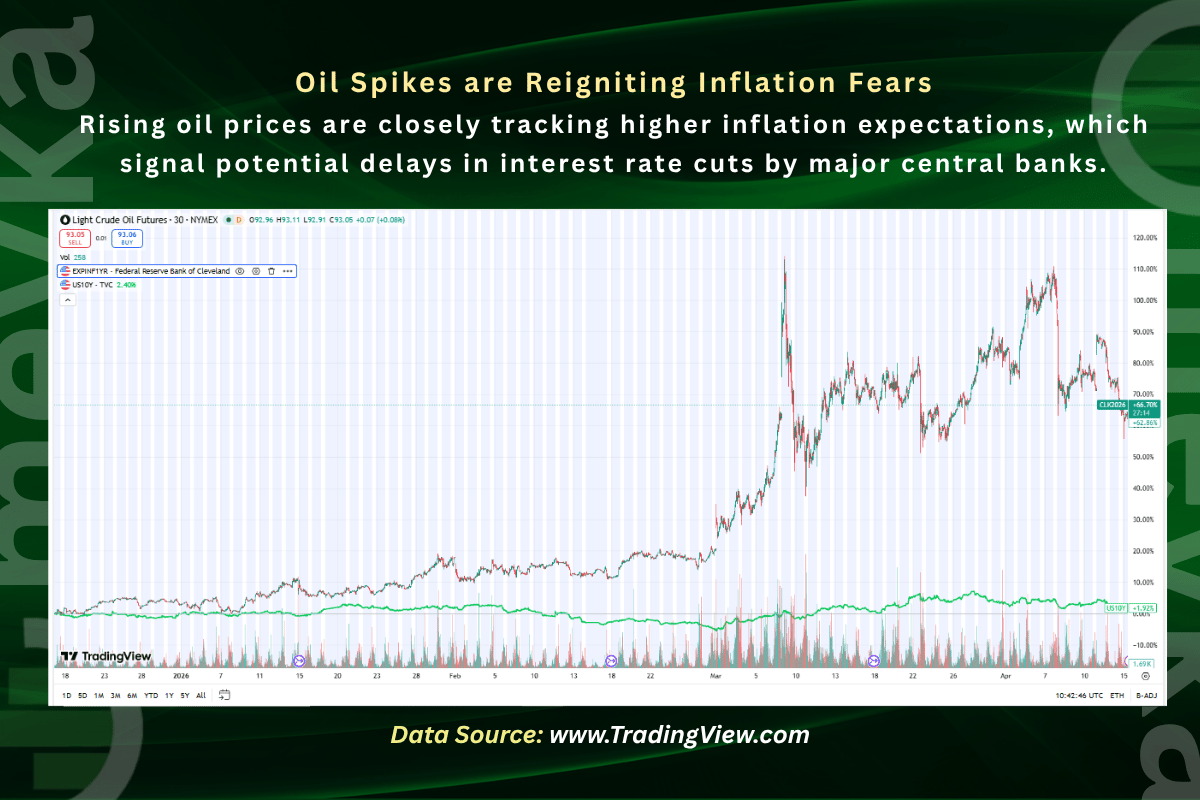
This trend matters because it directly influences central bank policy. When oil prices rise, transportation and production costs increase. These costs eventually pass through to consumers. As a result, central banks such as the Federal Reserve System and the European Central Bank may delay interest rate cuts.
The current oil movement suggests that the path toward lower interest rates may not be as smooth as markets had expected earlier this year.
Opportunity Lens:
Where Markets are Rotating
The current environment is prompting a gradual but clear shift in capital allocation. Energy producers and related infrastructure firms are seeing renewed interest, supported by stronger pricing power and improved cash flow visibility. At the same time, sectors that depend heavily on stable input costs, such as consumer discretionary, are facing margin pressure.
There is also a longer-term angle. Persistent geopolitical tension in energy corridors often accelerates investment in alternative energy sources. Governments and institutions may increase funding for renewables and energy security projects. This creates a broader structural opportunity, not just a short-term trade.
Investors should focus on how capital is rotating, rather than reacting to daily price movements. The direction of flows often provides clearer signals than headlines.
➤ Get personalised market insights ⬇️
Investor Mind Gym
Think Beyond Short-Term Headlines
This week highlights the impact of recency bias. Investors tend to give more weight to the latest news and assume that current conditions will continue unchanged. A sharp rise in oil prices can quickly lead to expectations of prolonged inflation or sustained market stress.
However, history shows that geopolitical shocks often evolve in phases. Initial reactions are frequently stronger than long-term effects. Investors who step back and assess second-order consequences are better positioned to make balanced decisions.
The key question remains: are current market moves reflecting durable change or temporary adjustment?
Ask Meyka: What This Week Reveals 🧐
This week serves as a reminder that markets are shaped as much by structure as by events. Energy flows, trade relationships, and regional dependencies often matter more than headlines suggest. The Strait of Hormuz remains a critical artery, but the broader system around it is equally important.
Investors should remain patient and observant. Focus on how policies, trade routes, and capital flows evolve. These elements will define the next phase of the market more clearly than short-term volatility.
➤ Catch the latest market shifts ⬇️
Disclaimer:
The content shared by Meyka AI PTY LTD is solely for research and informational purposes. Meyka is not a financial advisory service, and the information provided should not be considered investment or trading advice.